Hi everyone, this is week 5 of my GSoC project. Work on the Dungeon Master engine is almost at an end — except for one last hurdle, which I’ll discuss later.
The Unresponsive Wall
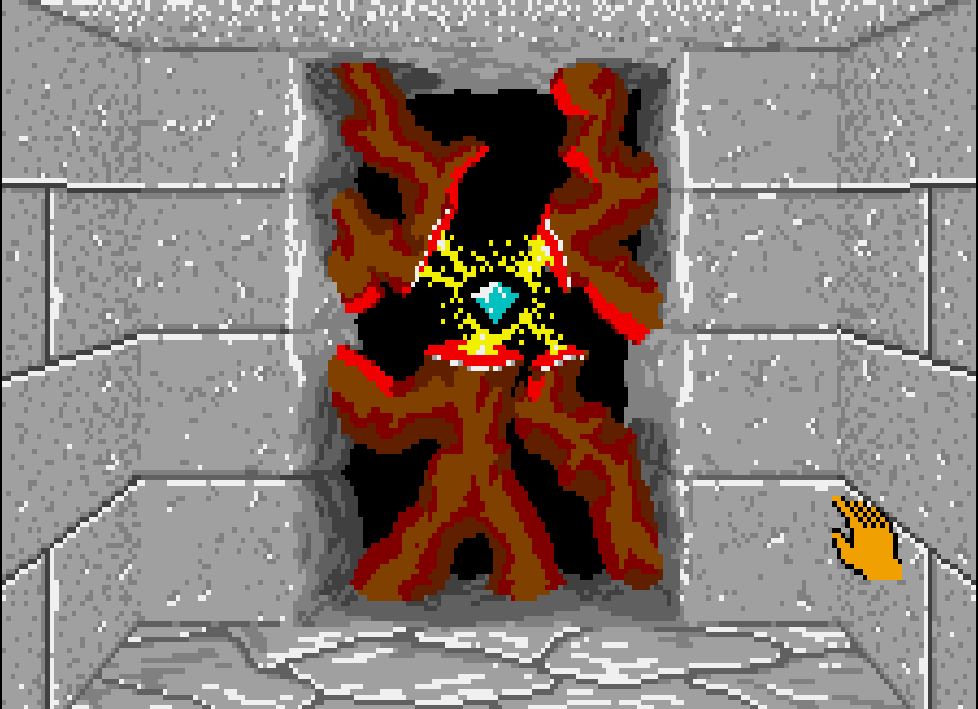
At level 13, casting Zo Kath Ra spell to open the wall should free the power gem — but the wall stayed completely unresponsive.
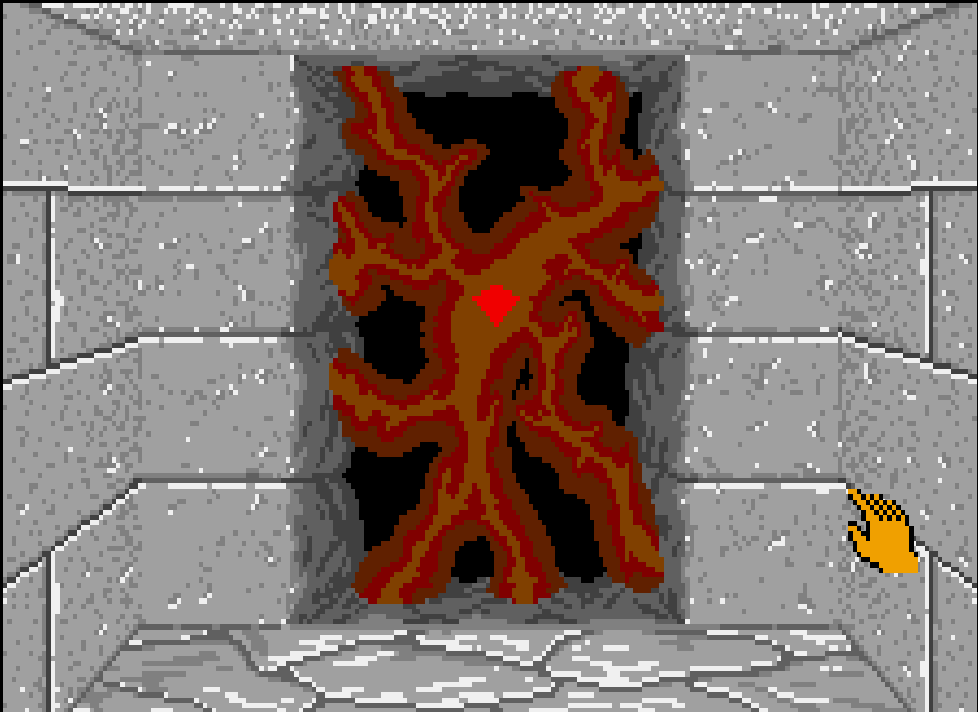
Cause:
for (thingBeingProcessed = squareFirstThing; thingBeingProcessed != _vm->_thingEndOfList; thingBeingProcessed = dungeon.getNextThing(thingBeingProcessed)) {
		Thing lastProcessedThing = thingBeingProcessed;
The lastProcessedThing pointer was being updated to thingBeingProcessed at the start of each iteration. Before unlinking this particular sensor, the code checks if (lastProcessedThing == thingBeingProcessed). Since both pointed to the same thing, this check always failed and the sensor was never unlinked, failing to trigger the next sensor.
Fix: updating lastProcessedThing to thingBeingProcessed before updating thingBeingProcessed resolved the issue.
Shade Screen Box
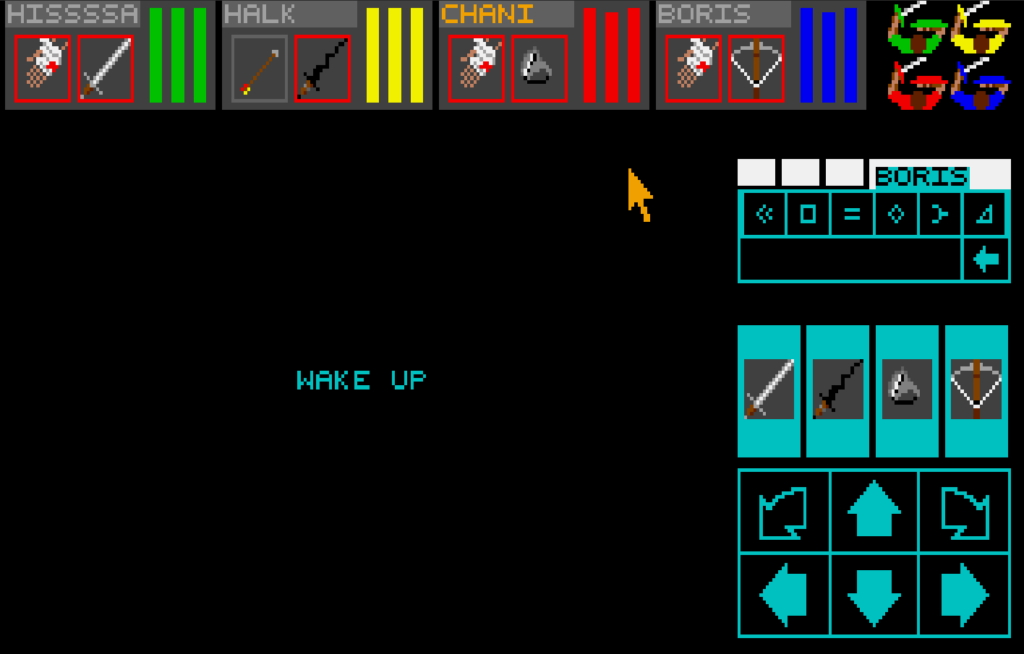
Next I implemented DisplayMan::shadeScreenBox. It draws a checkerboard pattern over a given box by coloring every other pixel based on alternating coordinates, creating a semi-transparent shading overlay on top of whatever was already drawn there, graying out menus or buttons.
Before:
After: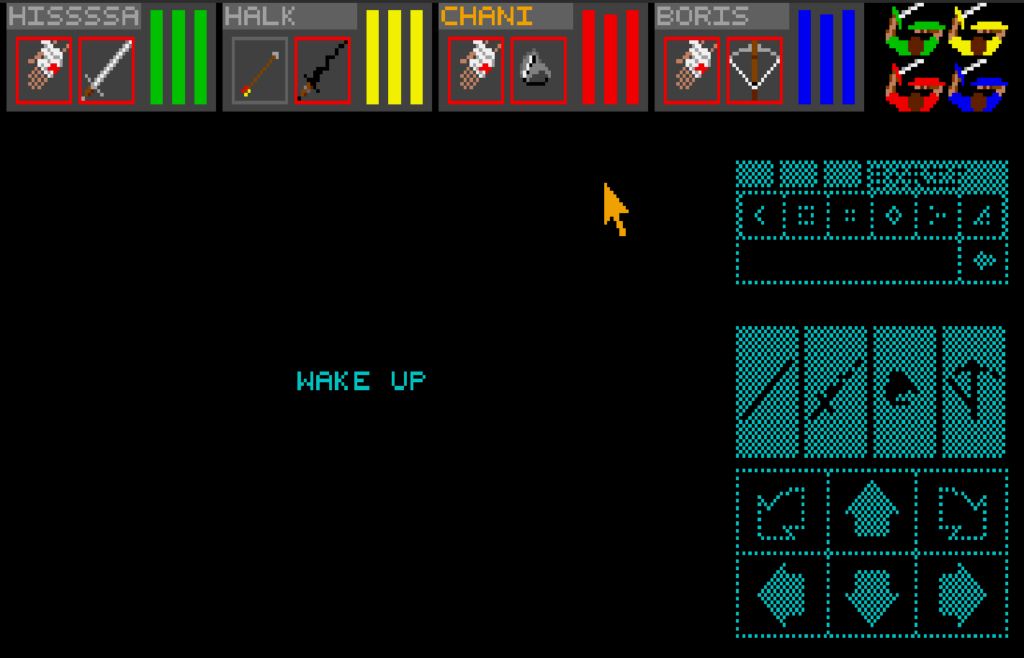
Before: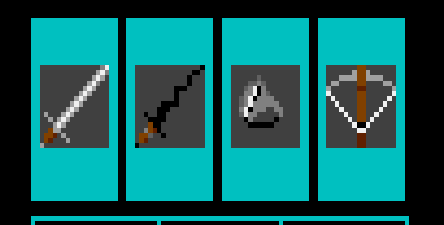
After: 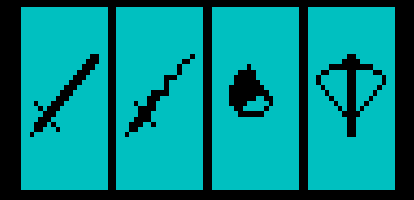
Before: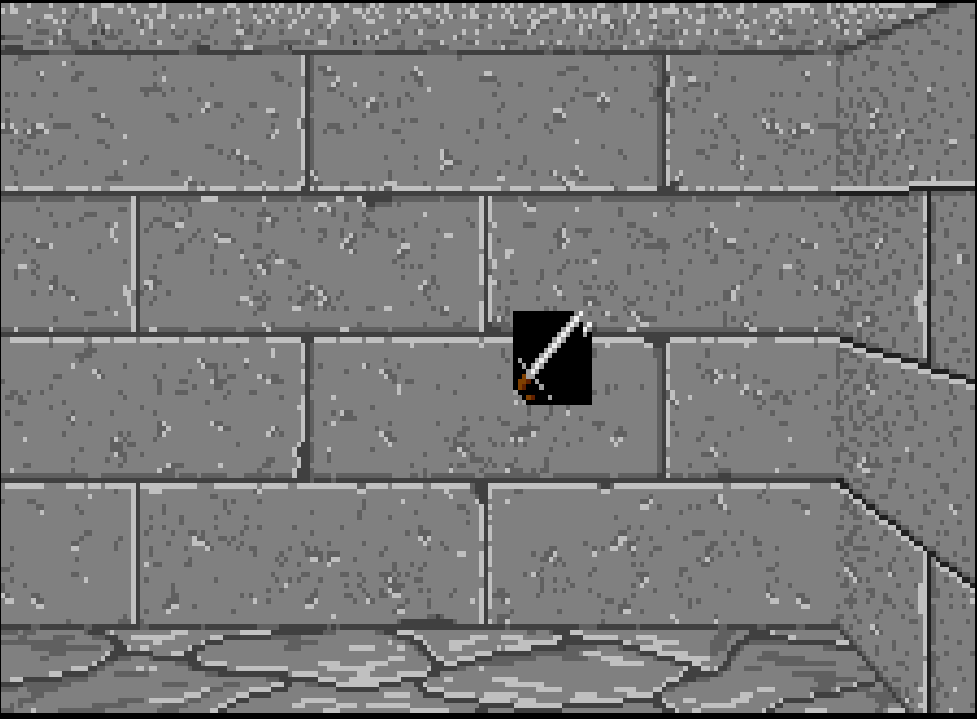
After: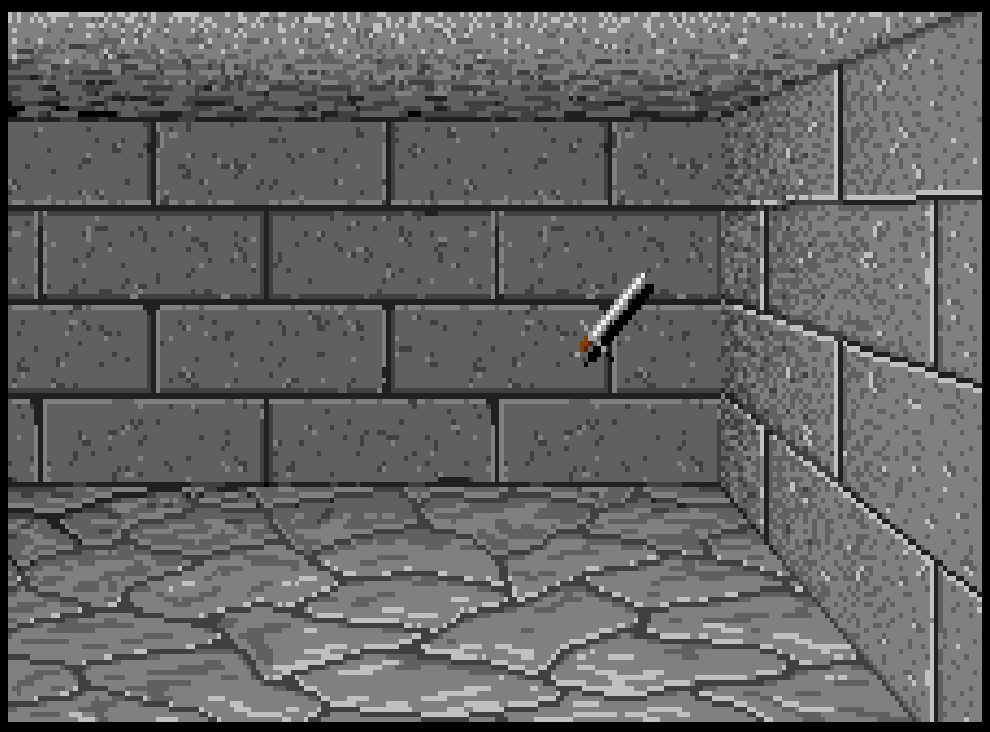
Fix blitToBitmapShrinkWithPalChange()
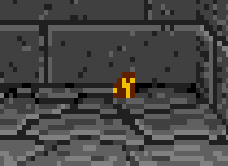
Enabled palette translation in blitToBitmapShrinkWithPalChange by mapping each source pixel through the translation table and dividing by 10 to account for the original game’s 10-multiplier scale.
A spell stone kept on ground:
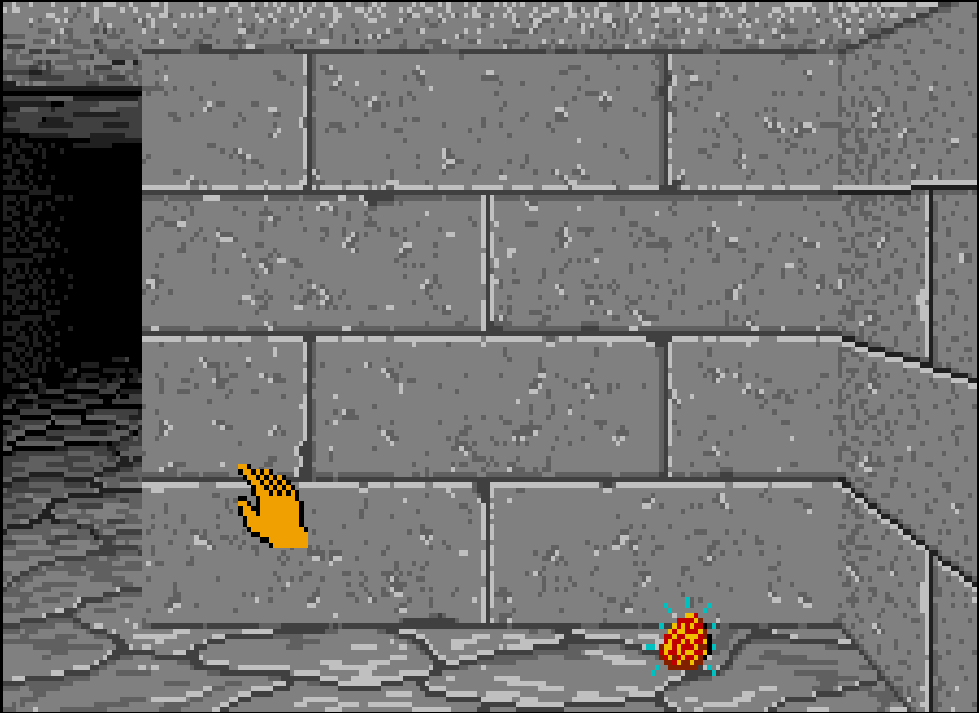
When viewed from a distance of 2 tiles, it looks:
Before (without Palette translation):
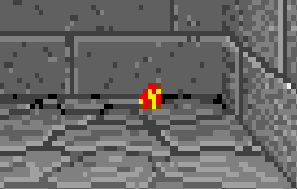
After (with Palette translation):
Segfault on restart
Restarting after your party is dead would result in a crash with buffer overflow.
Cause: On restart, loadDungeonFile() was skipping reallocation to reuse existing buffers — but if the new dungeon needed more space than what was previously allocated, writes would go out of bounds.
Fix: Track each thing type’s allocated capacity in _allocatedThingCounts. On restart, if the new dungeon’s count exceeds what was previously allocated, reallocate and update the tracked limit
Runtime errors
Some places in the code used << on signed integers, which is undefined behavior in C++ when the value is negative.
Fix: Replaced those with * to get the same result safely.
Another instance,
int16 attribMask = 1;
for (uint16 stringIndex = 0; stringIndex < 16; stringIndex++, attribMask <<= 1) {
On the 16th iteration the value overflowed the int type, causing signed integer overflow.
Fix: changed attribMask to uint16
Fixing blitBoxFilledWithMaskedBitmap()
*nextDestPixel = *mask & nextSrcPixel;
Cause: Doing a bitwise-AND directly on ScummVM’s 1 byte per pixel format corrupts the resulting color palette index. The combined indexes produced garbage color index numbers, leading to severely corrupted/incorrect pixel colors on the screen
Fix: Rewrote the logic to pick the mask color directly if it isn’t white, or fall back to the source pixel if it isn’t transparent.
Spellcasting Tabs Display
Cause: The highlight screen box was using an XOR mask of 0x0F, but only the 3rd bit needed to be flipped, producing the wrong highlight color on the spellcasting tabs.
Fix: Changed the mask to 0x04.
Before:
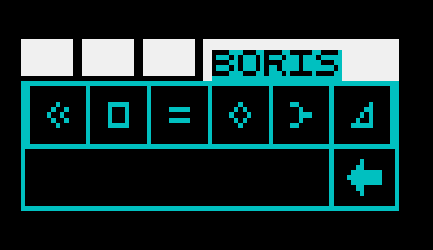
After: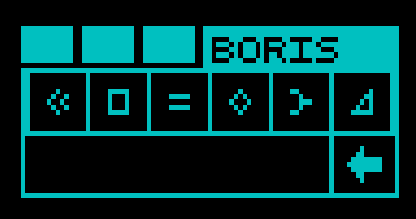
The one last hurdle
Issue: loadDungeonFile() reads Big-Endian file data and stores it into _thingData as native-endian uint16s. But the gameplay macros like DOOR_nextThing access this memory using READ_LE_UINT16 and WRITE_LE_UINT16, which always expect Little-Endian memory layout. On Big-Endian machines this setup won’t work.
Proper Fix: As Sev suggested, I would parse the file data on load directly into arrays of structs, so the engine can just address those structs directly instead of re-parsing every time. This time it won’t take much time as I’m already familiar with the places these macros are used.
That was it for this week. The DM engine work will be finished in a day or two — till then, goodbye 🙂